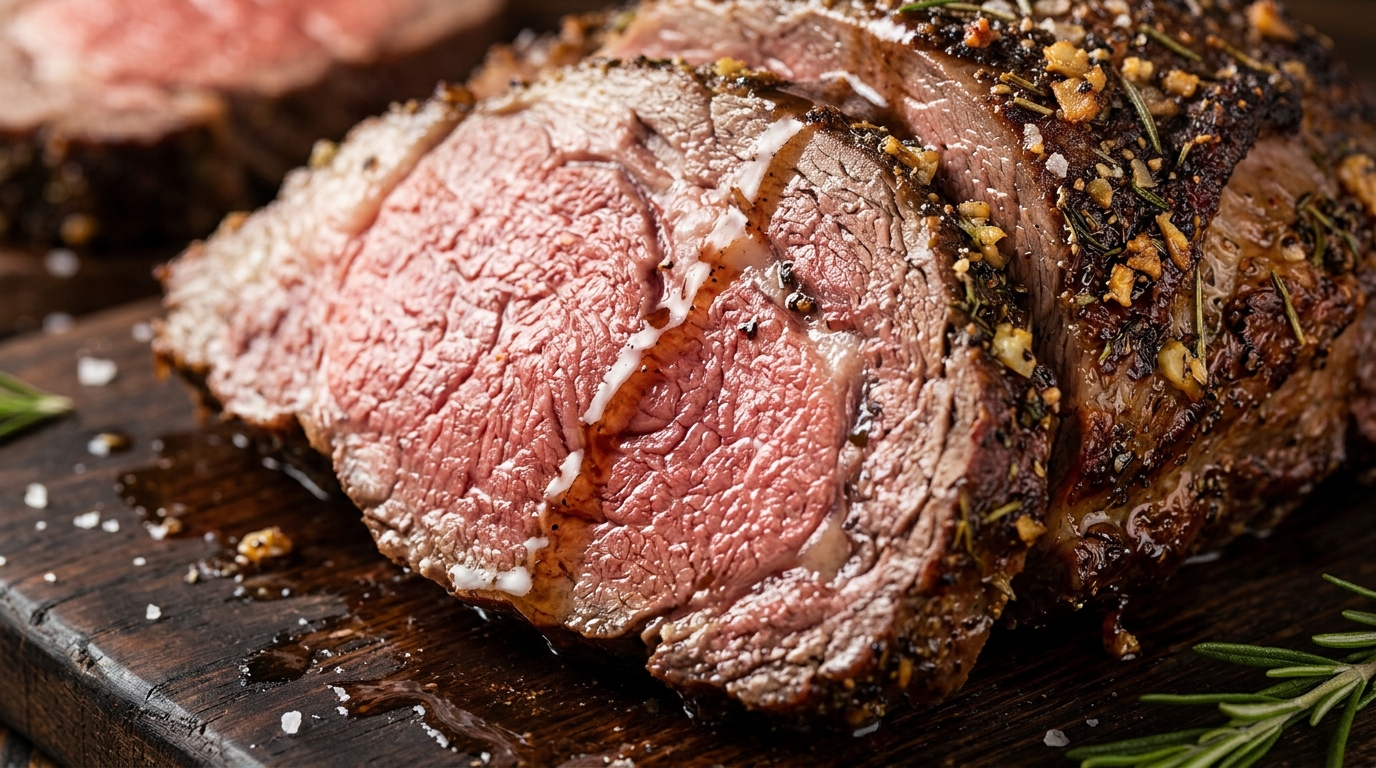
I first fell in love with oven prime rib recipe about 10 years ago when I was looking for a special dish to serve at my son’s birthday party. I had tried many different recipes before, but this one stood out for its simplicity and the way it turned out perfectly every time.
The combination of the tender beef and the rich, savory flavor of the au jus was a hit with my family and friends. Since then, I have made this recipe countless times for holidays, special occasions, and even just a Tuesday dinner.
My kids love it when I make it because they know it’s a treat. They can’t get enough of the juicy meat and the flavorful gravy.
I’ve also found that this recipe is perfect for a weeknight dinner because it’s easy to prepare ahead of time and can be cooked while I’m busy with other tasks. The best part is that it’s relatively healthy considering how rich it tastes.
The beef is lean and the au jus is low in fat compared to some other recipes I’ve tried. My family’s favorite part of the recipe is definitely the au jus – we all love dipping our bread in it.
It’s become a staple in our household and I’m sure it will be for yours too once you try it.
Oven Prime Rib Recipe
4.9 from 1265 votes
This oven prime rib recipe delivers a succulent and tender roast with a beautiful crust. It’s perfect for a special dinner and easy to prepare with simple ingredients.
Tips: Use a meat thermometer to ensure the prime rib is cooked to your desired level of doneness. Let the meat rest before carving to retain its juices.
This recipe is always a good idea for any occasion. It’s a great dish to make for family gatherings, as it’s easy to scale up or down depending on the size of your crowd. It’s also a good dish to make ahead of time, as the flavors only get better with time. I usually make this prime rib the day before I plan to serve it, then let it rest in the refrigerator overnight. When I’m ready to serve it, I simply slice it and reheat it in the oven for about 10 minutes. This recipe is also versatile, as you can serve it with a variety of sides. It’s a good idea to pair it with a side of vegetables, which can provide additional nutrients and fiber.
It’s a good idea to use a meat thermometer to check the internal temperature of the meat, as this will help you to avoid overcooking or undercooking it. You can also use the touch test to check for doneness. Just press your finger into the meat, and compare the feel to the flesh between your thumb and index finger. For rare, the meat should feel soft and squishy. For medium-rare, it should feel like the flesh on your hand when you touch your thumb to your index finger. For medium, it should feel like the flesh on your hand when you touch your thumb to your middle finger. For well-done, it should feel firm.
This recipe is a great way to impress your family and friends with a delicious and impressive dish. It’s also a good source of protein, which is essential for a healthy diet. It’s a good source of iron, which is important for energy and immunity. It’s a good idea to pair it with a side of vegetables, which can provide additional nutrients and fiber. It’s a good idea to use a meat thermometer to check the internal temperature of the meat, as this will help you to avoid overcooking or undercooking it. You can also use the touch test to check for doneness. Just press your finger into the meat, and compare the feel to the flesh between your thumb and index finger.
For rare, the meat should feel soft and squishy. For medium-rare, it should feel like the flesh on your hand when you touch your thumb to your index finger. For medium, it should feel like the flesh on your hand when you touch your thumb to your middle finger. For well-done, it should feel firm. This recipe is a great way to impress your family and friends with a delicious and impressive dish.
❓ Frequently Asked Questions About Oven Prime Rib
What cut of meat should I use for this recipe?
You should use a prime rib roast, which is a cut of beef from the rib section. It’s a well-marbled cut of meat, which means it has a lot of fat running through it. This fat helps to keep the meat juicy and flavorful during cooking. You can usually find prime rib roasts at your local butcher or grocery store. They’re often sold in sizes ranging from 3 to 7 pounds.
How do I prepare the meat before cooking?
Before cooking, you should remove the meat from the refrigerator and let it sit at room temperature for about an hour. This helps the meat to cook more evenly. While the meat is coming to temperature, you can prepare the seasoning. This recipe calls for a simple seasoning of salt, black pepper, and garlic powder. You can also add other herbs and spices if you like, such as rosemary, thyme, or paprika. After you have the seasoning ready, you can pat the meat dry with paper towels, then rub the seasoning evenly over the entire surface of the meat.
What temperature should I cook the prime rib to?
The ideal temperature to cook prime rib to depends on how you like your meat cooked. For medium-rare, which is my personal preference, you should cook the meat to an internal temperature of 135 degrees Fahrenheit. For medium, cook to 145 degrees, and for well-done, cook to 155 degrees. Remember, the meat will continue to cook slightly after you remove it from the oven, so it’s a good idea to take it out a few degrees before it reaches your desired temperature.
How long should I cook the prime rib for?
The cooking time for prime rib will depend on the size of your roast and your desired level of doneness. A good rule of thumb is to cook the meat for about 15 minutes per pound at 325 degrees Fahrenheit. This is only a rough guide, though, so it’s a good idea to use a meat thermometer to check the internal temperature of the meat.
What if I don’t have a meat thermometer?
If you don’t have a meat thermometer, you can use the touch test to check for doneness. Press your finger into the meat, and compare the feel to the flesh between your thumb and index finger. For rare, the meat should feel soft and squishy. For medium-rare, it should feel like the flesh on your hand when you touch your thumb to your index finger. For medium, it should feel like the flesh on your hand when you touch your thumb to your middle finger. For well-done, it should feel firm.
Tender chicken breasts are pounded thin, filled with a savory mixture of cheese and herbs, then rolled and baked until golden. This dish is perfect for a weekni…
Tender, flavorful corned beef brisket slow-cooked with aromatic vegetables and spices. This classic Irish-American dish is perfect for St. Patrick’s Day or a he…
A hearty and comforting casserole featuring tender pinto beans in a savory tomato sauce, baked with a layer of melted cheese. This dish is perfect for a weeknig…
This easy hash brown casserole uses Simply Potatoes shredded hash browns for a creamy, cheesy side dish. It is perfect for breakfast, brunch, or holiday dinners…
This moist and tender chocolate cake gets its rich flavor from buttermilk and cocoa powder. The buttermilk adds a subtle tang that balances the sweetness of the…