ciabatta bread machine recipe


The Best ciabatta bread machine recipe
I’ve been making ciabatta bread machine recipe for my family for years, and it’s always a hit. The recipe originated in Italy, where it’s been a staple for centuries.
The name ‘ciabatta’ literally means ‘slipper’ in Italian, which refers to the bread’s soft and airy texture. I love how easy it is to make this bread at home using my trusty bread machine.
The result is a delicious, crusty loaf that’s perfect for sandwiches, toast, or just snacking on its own. My kids adore helping me mix and knead the dough, and they’re always excited to see the finished product emerge from the machine.
We like to slice the bread fresh and serve it with soups, stews, or as a side dish for our meals. Ciabatta is also a great base for paninis and sandwiches.
It’s made with simple ingredients like flour, yeast, water, salt, and sugar, which makes it a healthy option for our family. I appreciate how versatile this recipe is – we can enjoy it at any time of day or occasion.
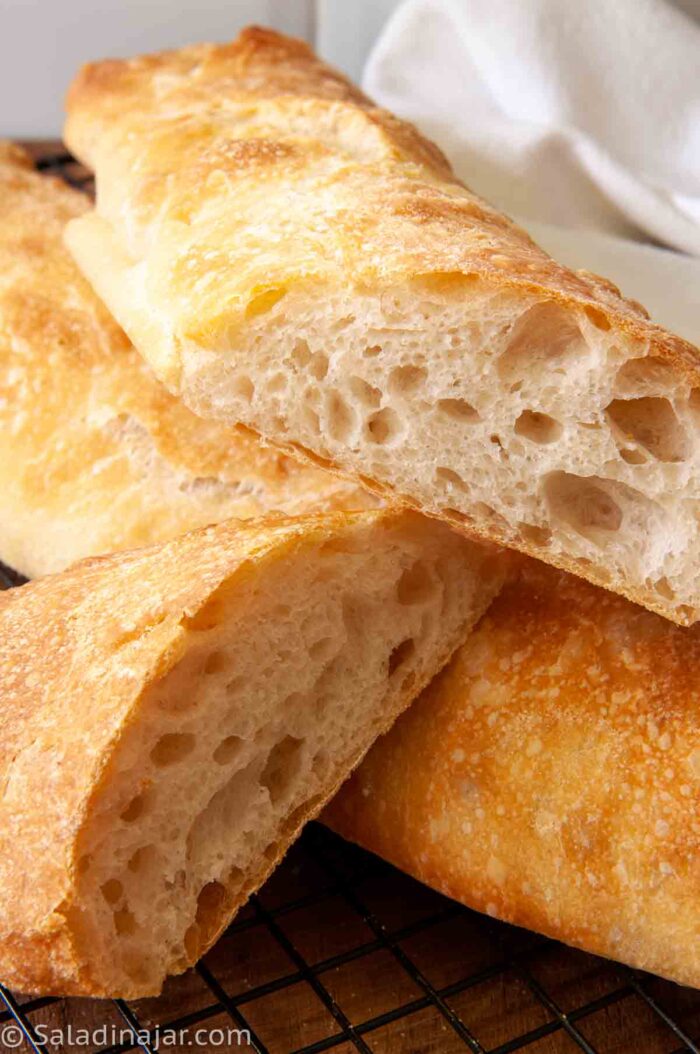
Ciabatta Bread Machine Recipe
This recipe yields a classic Italian ciabatta with a crisp crust and airy crumb, made effortlessly in your bread machine. The dough is wet and sticky, requiring no kneading by hand.
🥘Ingredients
For the Dough
👨🍳Directions
🔧Equipment
📊Nutrition Facts (per serving)
📝Notes
Watch Video Of How Ciabatta Bread Machine Recipe Works
Ciabatta bread machine recipe is always a good idea for any occasion – whether it’s a casual weeknight dinner or a special event with friends and family.
We love serving it sliced alongside soups or stews, or as part of a panini or sandwich.
And when we’re not using it immediately, we store it in an airtight container on the counter for up to three days – just be sure to slice it before storing to prevent drying out.
❓ Frequently Asked Questions About Ciabatta Bread Machine
Q1: What type of flour is best for making ciabatta bread?
For this recipe, I recommend using all-purpose flour with a high protein content (around 12-14%). This type of flour will produce a stronger gluten structure, resulting in a more authentic Italian-style bread.
Q2: Can I use whole wheat flour instead of all-purpose flour?
Yes, you can substitute whole wheat flour for all-purpose flour in this recipe. However, keep in mind that whole wheat flour has a coarser texture and a nuttier flavor than all-purpose flour.
Q3: How do I ensure my ciabatta bread doesn’t become too dense?
To avoid a dense bread, make sure to not overmix the dough when you’re kneading it. Mix the ingredients just until they come together in a shaggy mass, then let the machine do its magic.
Q4: Can I add any herbs or spices to this recipe?
Certainly! You can add herbs like rosemary or oregano to give your ciabatta an extra boost of flavor. Just be sure not to overpower the other ingredients.
Q5: What’s the ideal temperature for proofing the dough?
The ideal temperature for proofing is between 75°F and 80°F (24°C to 27°C). If your kitchen is warmer or cooler than this range, adjust your proofing time accordingly.