ginger honey tea recipe


The Best ginger honey tea recipe
I’m so excited to share with you my favorite ginger honey tea recipe. This soothing drink has been a staple in our household for years, and I’m sure it will become a favorite in yours too. I first discovered this recipe while browsing through a cookbook at my local library.
The combination of the spicy kick from the ginger and the sweetness of the honey was just what I needed to warm up on a chilly winter evening. My kids love it when I make this tea for them, and it’s become a regular part of our family’s daily routine. Whether we’re feeling under the weather or just need a pick-me-up, ginger honey tea is always a good idea.
One of the best things about this recipe is that it’s incredibly easy to make. All you need is some fresh ginger, honey, and hot water. You can adjust the amount of ginger to your liking, but I find that 1-inch piece is perfect for me.
The longer you steep the tea, the stronger the flavor will be. I like to let it steep for at least 5 minutes before straining it into a cup. Once you’ve made the tea, you can add in some lemon slices or a drizzle of honey for extra flavor.
But trust me, even on its own, this tea is absolutely delicious. As an added bonus, ginger honey tea has amazing health benefits. The antioxidants in ginger can help reduce inflammation and improve digestion, while the honey adds antibacterial properties that can soothe sore throats and calm coughs.
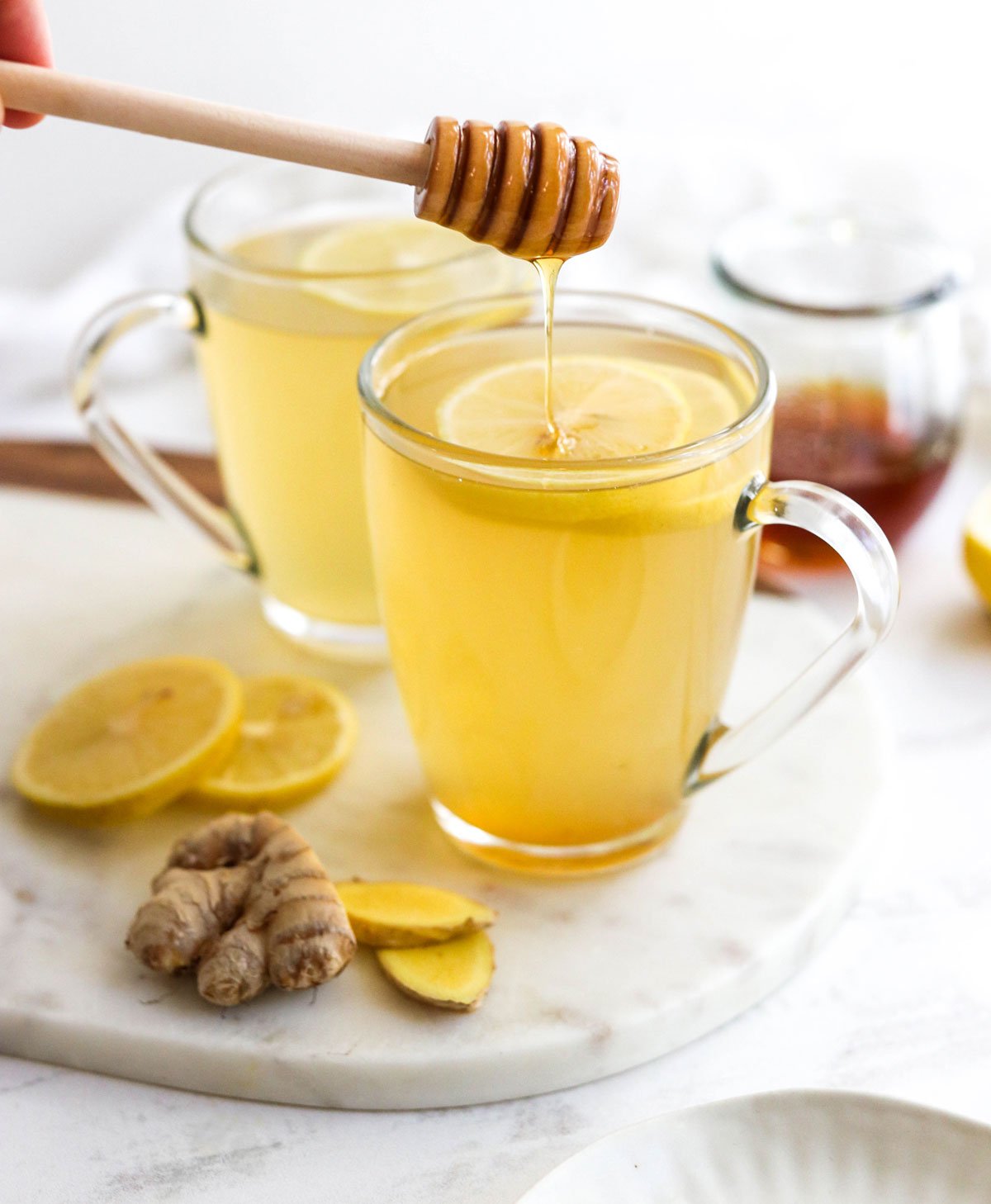
Ginger Honey Tea
A soothing and aromatic tea made with fresh ginger and honey. This warm beverage is perfect for cold days or when you need a comforting drink.
🥘Ingredients
For the Tea
👨🍳Directions
🔧Equipment
📊Nutrition Facts (per serving)
📝Notes
Watch Video Of How Ginger Honey Tea Works
This ginger honey tea recipe is always a good idea for any occasion – whether you’re looking for a soothing drink after dinner or a pick-me-up on a busy morning.
It’s also perfect for family gatherings or when you’re feeling under the weather.
And don’t worry if you don’t have all the ingredients on hand – this recipe is super versatile and can be made with just about anything on hand.
❓ Frequently Asked Questions About Ginger Honey Tea
Q: What are the health benefits of drinking ginger honey tea?
The antioxidants in ginger can help reduce inflammation and improve digestion, while the honey adds antibacterial properties that can soothe sore throats and calm coughs.
Q: Can I use pre-ground ginger instead of fresh?
Yes, but keep in mind that pre-ground ginger may not have as strong of a flavor as fresh ginger.
Q: How long does it take to make this tea?
It only takes about 5 minutes to prepare and steep this tea.
Q: Can I add other ingredients to this recipe?
Sure! Some people like to add lemon slices or a drizzle of honey for extra flavor.
Q: Is this tea suitable for kids?
Yes, but be sure to adjust the amount of ginger according to your child’s age and sensitivity level.