biblical unleavened bread recipe


The Best biblical unleavened bread recipe
I love this biblical unleavened bread recipe because it’s a perfect combination of taste, texture, and simplicity. This traditional bread has been around for centuries, and its simplicity is what makes it so appealing to me.
The dough is made from just flour, water, and salt, which makes it easy to prepare and bake. When I’m in the mood for something comforting and familiar, I always turn to this recipe.
My family loves it too – my kids can’t get enough of the soft, fluffy texture, and my husband appreciates the ease of making a delicious loaf without any fuss. I’ve made this recipe countless times for family gatherings, potlucks, and even as a quick snack on the go.
What I love most about this bread is its versatility – it’s perfect for sandwiches, toast, or just snacking on its own. The best part is that it’s incredibly easy to make, requiring no yeast or special equipment.
Just mix the ingredients together, knead the dough a few times until it comes together in a ball, shape it into a loaf, and let it rise for about an hour before baking. That’s it!
This recipe never fails to impress my family with its delicious flavor and satisfying texture. We all enjoy it immensely, whether we’re eating it at home or taking it on the go.
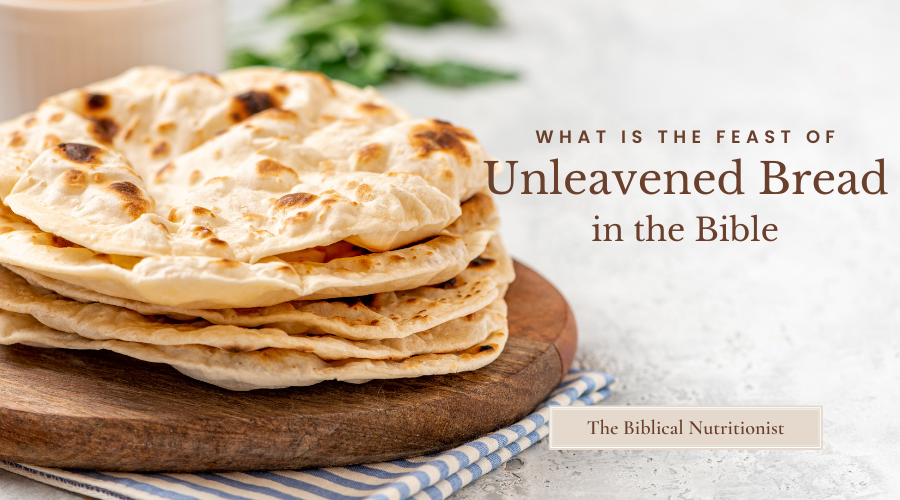
Biblical Unleavened Bread
This simple unleavened bread is made from flour, water, oil, and salt, baked until golden. It recalls the bread the Israelites made in haste during the Exodus.
🥘Ingredients
For the Dough
👨🍳Directions
🔧Equipment
📊Nutrition Facts (per serving)
📝Notes
Watch Video Of How Biblical Unleavened Bread Works
This biblical unleavened bread recipe is always a good idea for any occasion, whether it is a holiday meal or a simple weekday dinner. It works well for family gatherings because it is easy to make in large batches and pairs nicely with so many dishes.
I love that I can make it ahead of time and just reheat it in the oven for a few minutes to bring back its crispness. For serving, I like to break it into pieces and put it in a basket on the table.
It is great with butter, olive oil, or as a side for soups and stews. If you have leftovers, you can even crush it up and use it as a topping for casseroles or salads.
This bread is versatile, simple, and always a hit with my family.
❓ Frequently Asked Questions About Biblical Unleavened Bread
1. Can I use whole wheat flour instead of all-purpose flour?
Yes, you can use whole wheat flour. It will give the bread a denser texture and a nuttier flavor. You may need to add a little more water to get the dough to come together, as whole wheat flour absorbs more moisture.
2. How do I store leftover unleavened bread?
Store the bread in an airtight container at room temperature for up to 3 days. For longer storage, you can keep it in the refrigerator for about a week. Make sure it is completely cool before storing to prevent sogginess.
3. Can I make this bread gluten-free?
Yes, you can use a gluten-free flour blend. Look for one that contains xanthan gum to help with texture. The dough may be a bit more fragile, so handle it gently. The baking time might also need to be adjusted slightly.
4. Why is my bread too hard or brittle?
If your bread is too hard, it likely baked too long or the dough was rolled too thin. Try rolling the dough to about 1/8 inch thickness and watch it closely while baking. You want it to be just lightly golden, not dark brown.
5. Can I add herbs or spices to the dough?
Absolutely. You can mix in dried herbs like rosemary, thyme, or oregano for a savory version. For a sweeter bread, add a pinch of cinnamon or a little honey. Just keep the additions small so they do not change the dough’s consistency too much.