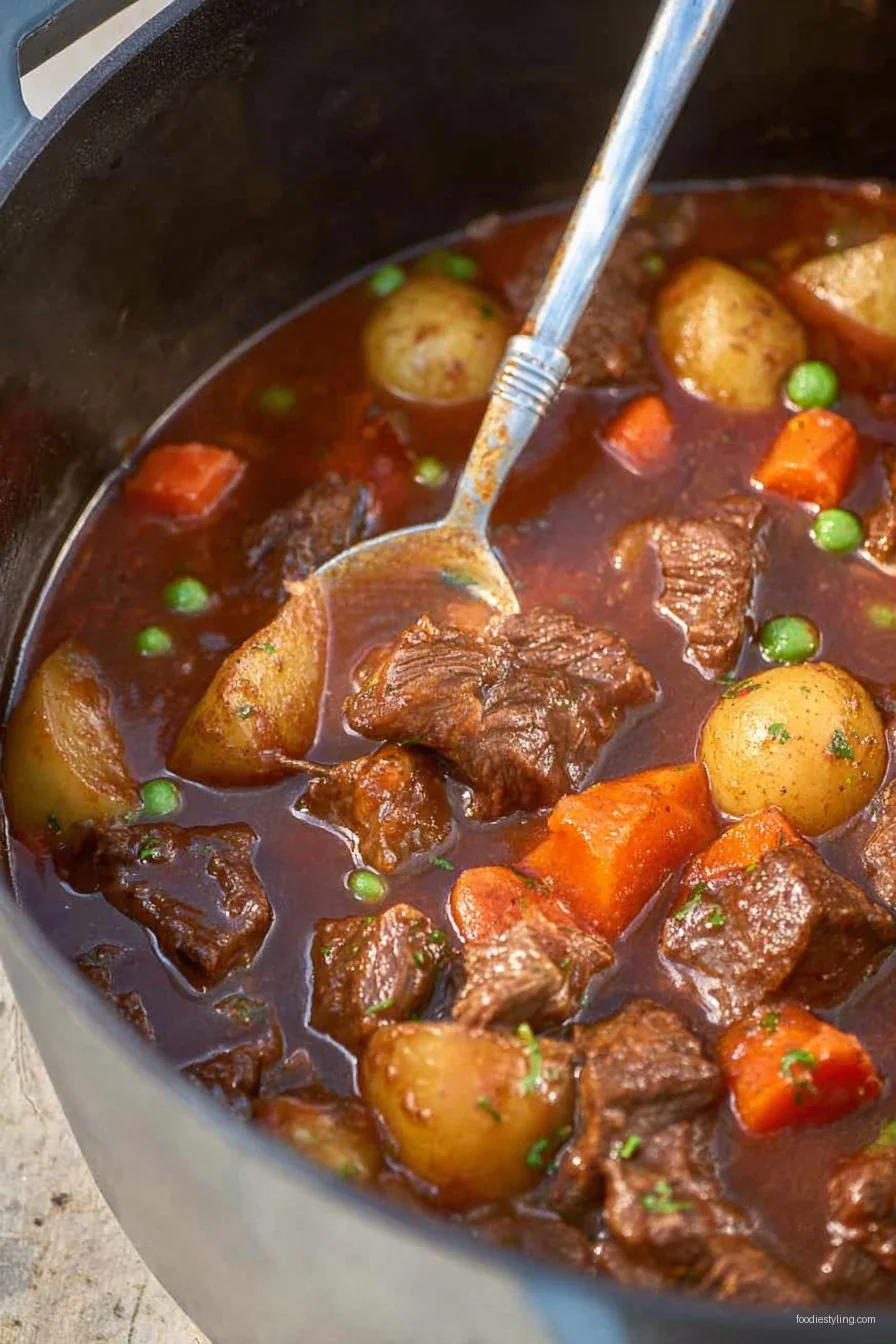
Classic stovetop beef stew is a comfort food that never fails to warm the hearts and bellies of my family and me. This hearty dish has its roots in traditional European cuisine, where it was often served at family gatherings and special occasions. The rich flavors and textures of this stew have made it a staple in many households, and I’m excited to share my favorite recipe with you.
When I make this stew, I love watching my kids gather around the table, eager to taste the tender beef and vegetables that have been simmering in the pot for hours. It’s a dish that’s easy to make, yet full of depth and complexity – a perfect combination for a busy home cook like me. Whether you’re looking for a cozy night in or a special occasion meal, this classic stovetop beef stew is sure to satisfy.
One of the things I appreciate most about this recipe is its ability to feed a crowd without breaking the bank. With just a few ingredients and some basic pantry staples, you can create a feast that will leave everyone feeling full and content. My family loves this stew because it’s easy to make in large quantities, making it perfect for potlucks, picnics, or any other gathering where you need to feed a crowd.
The best part? This recipe is incredibly versatile – feel free to customize it with your favorite vegetables or add some spice with red pepper flakes. In addition to being delicious, this stew is also remarkably healthy – packed with protein from the beef, fiber from the vegetables, and plenty of vitamins and minerals from the herbs and spices.
As an added bonus, this recipe makes great leftovers – simply store them in an airtight container in the fridge for up to three days or freeze for later use.
Classic Stovetop Beef Stew
4.7 from 1441 votes
This hearty beef stew is slow-simmered on the stovetop until the meat is fork-tender and the vegetables are perfectly cooked. A rich, savory broth with aromatic herbs makes this a comforting meal for any cold day.
1 pound potatoes, peeled and cut into 1-inch cubes
1 cup frozen peas
👨🍳Directions
1In a large bowl, toss the beef cubes with flour, salt, and pepper until evenly coated.
2Heat the vegetable oil in a large heavy-bottomed pot over medium-high heat until shimmering.
3Working in batches, add the beef cubes in a single layer and sear for 3 to 4 minutes per side until deeply browned.
4Transfer the browned beef to a plate and set aside.
5Reduce heat to medium and add the chopped onion to the pot.
6Cook for 5 minutes, stirring occasionally, until softened and translucent.
7Add the minced garlic and cook for 1 minute until fragrant.
8Pour in the beef broth and red wine, scraping the bottom of the pot with a wooden spoon to release any browned bits.
9Stir in the tomato paste, bay leaves, and dried thyme until well combined.
10Return the browned beef and any accumulated juices to the pot.
11Bring the liquid to a gentle boil, then reduce heat to low, cover, and simmer for 1 hour 30 minutes, stirring occasionally, until the beef is almost tender.
12Add the carrots, celery, and potatoes to the pot.
13Stir gently, then cover and continue simmering for 45 minutes to 1 hour, until the vegetables are tender and the beef is fork-tender.
14Stir in the frozen peas and cook for 5 minutes until heated through.
15Remove the bay leaves, taste and adjust seasoning with salt and pepper if needed. Serve hot.
For a thicker stew, mash some of the cooked potatoes against the side of the pot before adding the peas. This stew tastes even better the next day as the flavors meld.
Watch Video Of How Classic Stovetop Beef Stew Works
One of the best things about this classic stovetop beef stew recipe is how well it stores – simply refrigerate leftovers in an airtight container for up to three days or freeze them for later use.
When reheating leftovers, be sure to bring them back up to temperature before serving – I like to serve mine over egg noodles or mashed potatoes for added comfort factor.
❓ Frequently Asked Questions About Stovetop Beef Stew
What type of beef should I use for this recipe?
For this classic stovetop beef stew recipe, I recommend using chuck or round cuts of beef – they’re both affordable and packed with flavor. If you’re looking for an even more tender result, consider using short ribs instead.
Can I use frozen vegetables instead of fresh?
While fresh vegetables are always preferred, frozen ones are a great alternative when time is short or when certain ingredients are out of season. Just be sure to thaw them first before adding them to the pot
How long does it take to cook this stew?
This recipe takes about 1 hour 30 minutes to an hour 45 minutes to cook – not bad considering how much flavor you’ll get out of it!
Can I make this stew in a slow cooker?
Absolutely! In fact, I highly recommend it – simply brown the beef as instructed before transferring everything to your slow cooker for 6-8 hours on low.
What if I don’t have any red wine on hand?
No worries at all! You can substitute red wine with another liquid such as beef broth or even water if needed.
Is this recipe suitable for vegetarians?
Nope – since we’re using beef as the main protein source here.
This creamy and tangy dip is perfect for serving with fresh vegetables. Made with Greek yogurt and simple seasonings, it comes together in minutes. A healthy an…
This classic casserole combines tender string beans, creamy Campbell Soup, and a crispy topping for a comforting and delicious meal. It’s perfect for family gat…
A vibrant and hearty dip featuring black-eyed peas, corn, and bell peppers in a tangy vinaigrette. This versatile dish is perfect for parties and pairs well wit…
This slow cooked apple butter is a classic fall treat. It is rich, smooth, and full of apple flavor. This recipe is easy to make in a slow cooker and can be c…
This rich and velvety salted caramel sauce is perfect for drizzling over ice cream, cakes, or using as a dip for apples. The balance of sweet and salty makes it…