how to cook polenta recipe

how to cook polenta recipe

The Best how to cook polenta recipe

I’ve been making polenta for years, and it’s still one of my family’s favorite dishes. The creamy texture and subtle corn flavor are a perfect combination that never fails to please. Whether we’re having a family dinner or a casual weeknight meal, polenta is always a good idea.

My kids love helping me stir the pot and watching the mixture transform from a liquid to a solid. It’s amazing how something so simple can be so satisfying to eat. As an added bonus, polenta is also incredibly versatile.

You can serve it with almost any topping you like – from roasted vegetables to rich meat sauces – and it will always pair well. I’ve even used it as a base for breakfast dishes, like scrambled eggs or sausage gravy. But what really sets polenta apart is its rich history.

This dish has been around for centuries, originating in Italy where it was known as ‘polenta’. It was made from cornmeal or other grains, cooked over an open flame until it was smooth and creamy. Nowadays, polenta is enjoyed all over the world, often served as a side dish or used as an ingredient in more complex recipes.

My favorite way to serve it is with a drizzle of olive oil and some chopped fresh herbs – parsley or basil work beautifully. Polenta is also incredibly easy to make at home. With just a few basic ingredients and some simple equipment, you can create this delicious dish in no time.
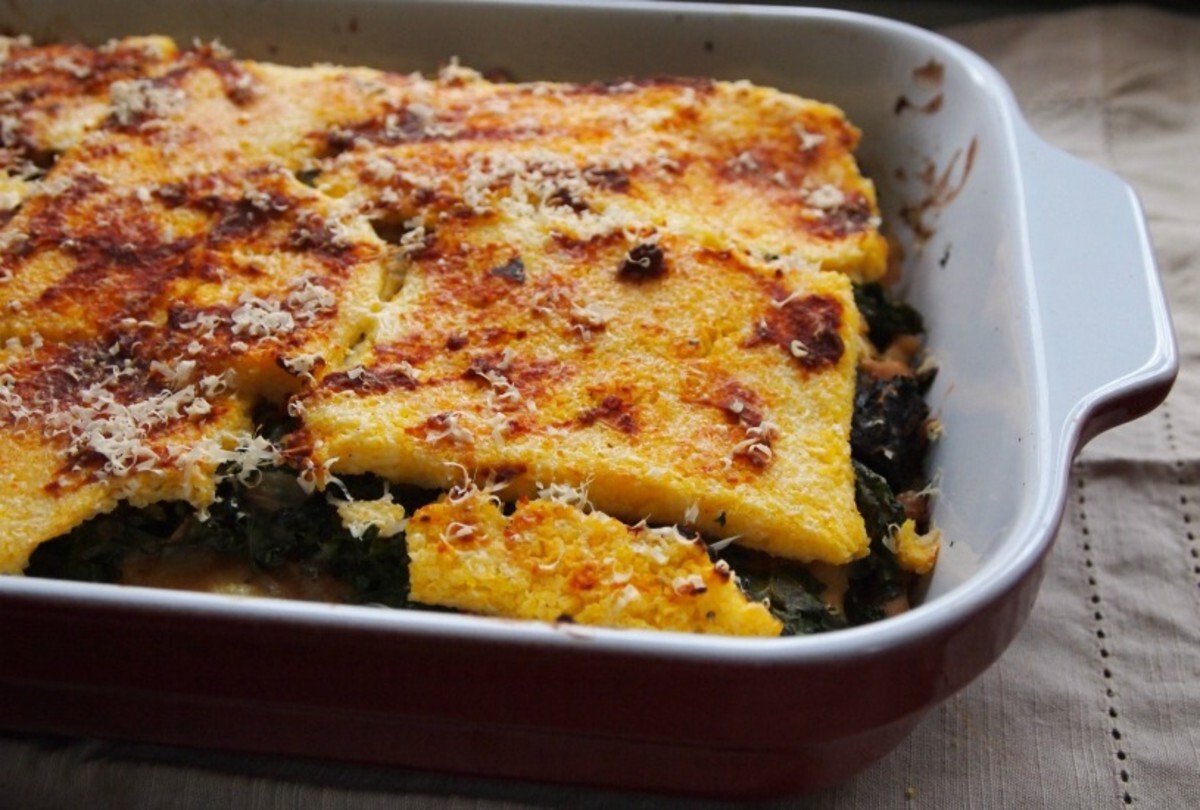
How to Cook Polenta

How to Cook Polenta

4.9 from 1314 votes

Polenta is a comforting and versatile Italian dish made from coarse cornmeal. It can be served as a side dish or base for various toppings.

Prep Time5 mins
Cook Time25 mins
Resting Time0 mins
Total Time30 mins
Servings: 4Cuisine: InternationalCalories: 220 kcal

🥘Ingredients

Ingredients

4 cups water
1 cup polenta
1 tsp salt

👨‍🍳Directions

1Bring 4 cups of water to a boil in a medium saucepan over high heat.
2Add 1 tsp of salt and stir until dissolved.
3Gradually whisk in 1 cup of polenta, ensuring there are no lumps.
4Reduce the heat to medium-low and continue to whisk for 2 to 3 minutes.
5Simmer the polenta, stirring frequently with a wooden spoon, for 20 to 25 minutes, or until it thickens and pulls away from the sides of the pan.
6The polenta should have a creamy consistency and the cornmeal should be tender.
7Once the polenta is cooked, remove it from the heat and let it rest for 5 minutes.
8Stir occasionally to prevent a skin from forming.
9Serve the polenta hot, with your choice of toppings or sauces, such as tomato sauce, pesto, or grated cheese.

🔧Equipment

Medium saucepan
Wooden spoon
Whisk

📊Nutrition Facts (per serving)

🔥Calories: 220 kcal🧈Total Fat: 2g💛Saturated Fat: 0g❤️Cholesterol: 0mg🧂Sodium: 700mg🌾Total Carbs: 45g🥦Dietary Fiber: 5g🍬Sugars: 1g🥩Protein: 6g

📝Notes

Tips: For a smoother polenta, use finely ground cornmeal. You can also cook polenta in milk or a combination of milk and water for a richer flavor.

Watch Video Of How How to Cook Polenta Works

I love serving polenta at family gatherings because it’s such a crowd-pleaser.

And once you get the hang of making it at home, you’ll find yourself using it as a staple in your kitchen just like I do.

One thing I especially appreciate about polenta is that it’s incredibly easy to store and reheat – simply place it in an airtight container in the fridge for up to 5 days or freeze it for up to 2 months.

❓ Frequently Asked Questions About How to Cook Polenta

Q: What type of cornmeal should I use for polenta?

A: Look for medium or fine grind cornmeal for the best results. This type of cornmeal will give your polenta the right texture and flavor.

Q: Can I make polenta ahead of time?

A: Yes, you can make polenta ahead of time and store it in the fridge for up to 3 days. Simply reheat it before serving by adding some water or broth to thin out the mixture.

Q: How do I prevent lumps in my polenta?

A: To prevent lumps from forming in your polenta, make sure to stir constantly as you cook the mixture. You can also try adding a little bit of oil or butter to help the mixture smooth out.

Q: Can I use other types of grains instead of cornmeal?

A: While traditional polenta is made with cornmeal, you can experiment with other types of grains like rice flour or quinoa flour for a different twist on this dish.

Q: Is polenta gluten-free?

A: Yes, traditional polenta is naturally gluten-free, making it a great option for those with gluten intolerance or sensitivity.

Similar Posts