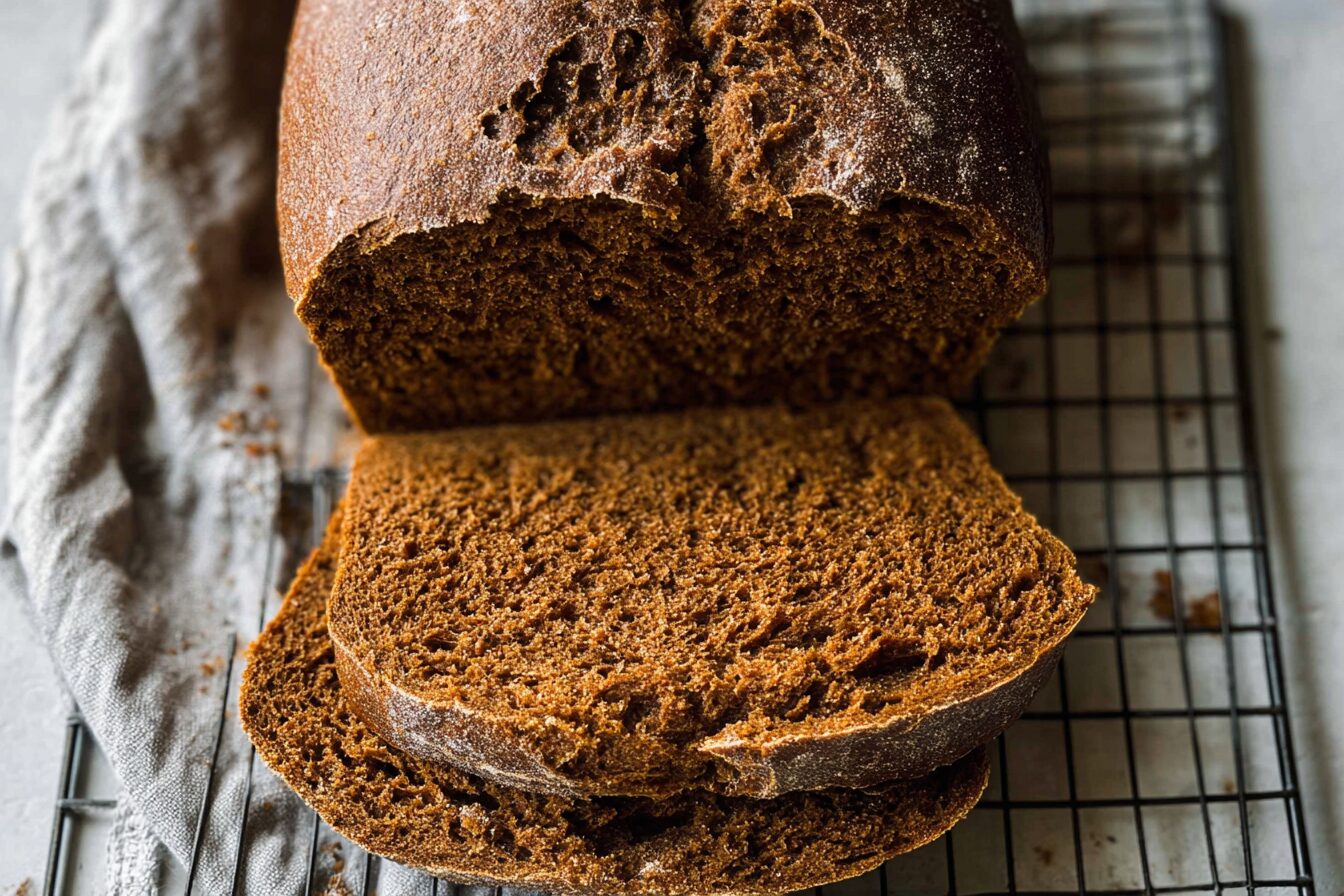
I am so excited to share this traditional pumpernickel rye bread recipe with you. This bread has been a staple in my household for years, and it’s perfect for any occasion. Whether you’re looking for a delicious addition to your family dinners or a tasty treat to serve at your next party, this recipe is sure to impress. I’ve had so many requests for this recipe over the years, and I’m finally getting around to sharing it with you.
This bread is not only delicious, but it’s also incredibly easy to make. With just a few simple ingredients and some basic kitchen equipment, you can have fresh, homemade pumpernickel rye bread in no time. I’ve included all of the tips and tricks that I’ve learned over the years to help ensure that your bread turns out perfectly. So let’s get started and dive into the world of pumpernickel rye bread making!
I love this recipe because it’s a great way to get my kids involved in the kitchen. They love helping me mix the dough and watching the loaves rise. It’s also a great way to teach them about where food comes from and how it’s made. Plus, it’s just plain fun to eat!
My family loves when I make this bread because it’s always a hit. We like to slice it up and serve it with soups, stews, or as a side dish for our meals. It’s also amazing toasted with some butter or used as a sandwich bread. The best part is that it freezes beautifully, so we can enjoy it all year round.
One of the things that I love most about this recipe is that it’s incredibly healthy. Made with whole grain rye flour, caraway seeds, and molasses, this bread is packed with fiber, antioxidants, and other essential nutrients. It’s also very versatile, so feel free to experiment with different ingredients and flavor combinations to create your own unique recipes.
Classic Pumpernickel Rye Bread
4.8 from 1709 votes
This dense, dark, and slightly sweet bread is a staple of traditional Jewish and German bakeries. Made with a combination of rye flour, whole wheat flour, and a touch of molasses, it has a distinctive earthy flavor.
Servings: 1 loaf (12 slices)Cuisine: InternationalCalories: 180 kcal per slice
🥘Ingredients
For the Sponge (starter)
1 cup rye flour
1 cup water at 110°F
1 teaspoon active dry yeast
For the Dough
1 1/2 cups rye flour
1 1/2 cups bread flour
1/2 cup whole wheat flour
2 tablespoons unsweetened cocoa powder
1 tablespoon caraway seeds
2 teaspoons salt
1/4 cup molasses
2 tablespoons vegetable oil
1 tablespoon apple cider vinegar
1/2 cup water at 110°F (additional if needed)
👨🍳Directions
1Make the sponge: In a large mixing bowl, combine 1 cup rye flour, 1 cup warm water (110°F), and 1 teaspoon active dry yeast.
2Stir until smooth.
3Cover the bowl with plastic wrap and let it sit at room temperature for 8 to 12 hours, or overnight, until it is bubbly and has a sour aroma.
4After the sponge is ready, add 1 1/2 cups rye flour, 1 1/2 cups bread flour, 1/2 cup whole wheat flour, 2 tablespoons cocoa powder, 1 tablespoon caraway seeds, and 2 teaspoons salt to the bowl.
5In a separate small bowl, whisk together 1/4 cup molasses, 2 tablespoons vegetable oil, and 1 tablespoon apple cider vinegar with 1/2 cup warm water (110°F).
6Pour the liquid mixture into the flour mixture and stir with a wooden spoon until a stiff dough forms.
7If the dough seems too dry, add additional warm water 1 tablespoon at a time until it comes together.
8Turn the dough out onto a lightly floured surface and knead for 8 to 10 minutes until it is smooth and elastic.
9Shape the dough into a ball and place it in a lightly oiled bowl, turning once to coat.
10Cover the bowl with plastic wrap and let the dough rise in a warm, draft-free place for 1 1/2 to 2 hours, or until it has doubled in size.
11Punch down the dough and turn it out onto a lightly floured surface.
12Shape it into a loaf and place it seam-side down into a greased 9×5 inch loaf pan.
13Cover the pan with a kitchen towel and let it rise for another 45 minutes to 1 hour, until the dough has risen about 1 inch above the rim of the pan.
14Preheat your oven to 350°F.
15Bake the loaf on the middle rack for 45 to 50 minutes.
16The bread is done when it sounds hollow when tapped on the bottom and an instant-read thermometer inserted into the center reads 190°F.
17Remove the bread from the pan immediately and let it cool completely on a wire rack before slicing, about 2 hours.
For a more intense sour flavor, let the sponge ferment for up to 24 hours. You can substitute dark rye flour for a deeper color. Store the bread wrapped in a cloth at room temperature for up to 5 days.
Watch Video Of How Classic Pumpernickel Rye Bread Works
This pumpernickel rye bread recipe is always a good idea for any occasion, from a simple weekday breakfast to a festive family dinner. It stores well in the fridge for up to a week, and you can reheat slices in a toaster or oven to bring back the crusty texture.
For serving, try it with smoked fish, pickled vegetables, or a hearty soup. I love that this bread brings everyone together around the table, whether for a casual lunch or a holiday spread.
It is versatile, nutritious, and full of flavor that both kids and adults enjoy. Make a loaf this weekend and see how quickly it disappears.
❓ Frequently Asked Questions About Pumpernickel Rye Bread
Q: What type of flour should I use for this recipe?
A: For this traditional pumpernickel rye bread recipe, you’ll want to use a high-quality whole grain rye flour that contains all of its bran layers intact. This will give your bread its characteristic nutty flavor and dense texture.
Q: Can I substitute caraway seeds with something else?
A: While caraway seeds are an essential ingredient in traditional pumpernickel rye bread, you can substitute them with other seeds or spices if you prefer. Some options include fennel seeds, anise seeds, or even dried dill weed.
Q: How do I prevent my dough from becoming too sticky?
A: To prevent your dough from becoming too sticky, make sure to knead it thoroughly until it becomes smooth and elastic. You can also try adding a little more flour if necessary.
Q: Can I make this bread in a stand mixer?
A: Yes, you can make this bread in a stand mixer using the dough hook attachment. Just be sure to stop the mixer frequently to scrape down the sides of the bowl and ensure that everything is well incorporated.
Q: Why does my bread not have that characteristic dark color?
A: If your bread is not turning out dark enough, try adding a little more molasses or reducing the amount of water in the recipe.
Q: Can I freeze this bread for later use?
A: Yes, you can freeze this bread for later use by slicing it before freezing or storing the entire loaf in an airtight container.
A versatile blend of spices to season ground beef for tacos, burgers, or meatloaf. This seasoning adds rich savory flavor with a hint of heat and smokiness. Mix…
Tender sweet potatoes roasted with a rich maple syrup glaze, creating a caramelized exterior and soft interior. This simple side dish balances earthy sweetness …
Beso de Angel cake is a traditional Mexican treat. This cake is a delightful combination of a soft, sweet cake base and a rich, creamy filling. It is a perfect …
This Apple Cranberry Sausage Stuffing is a festive and flavorful side dish perfect for holidays or family gatherings. It combines the tartness of cranberries wi…
This recipe features tender, juicy chicken thighs baked to perfection with a crispy skin, served with a zesty lemon herb sauce. It’s a flavorful and satisfying …